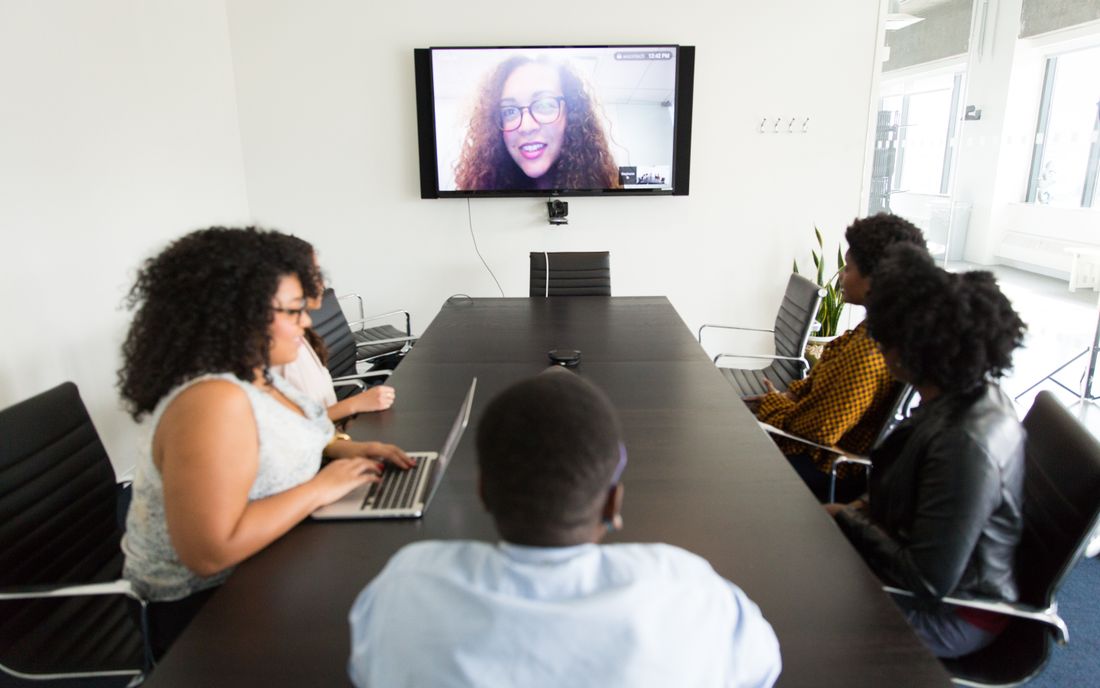
The closing meeting on results: agenda and decisions
Once the report is delivered, a meeting with management turns findings into action. Who to invite, what to discuss and how to record the decisions.
The report has been delivered, the count is over, but the work is not finished. The differences will sit on paper unless someone acts on them. The closing meeting with management turns the result into action: what is now clear, what is still unknown, who does what. Hold it within a few days of delivering the report: details are forgotten as time passes. A good meeting lasts forty-five minutes and ends with decisions. A bad one drags on for three hours and nobody remembers what was agreed.
Who to invite
Only people who know the material and can decide:
- the client's director or deputy: for decisions;
- a finance or accounting representative: for the books and documents;
- the warehouse manager and the accountable person: for the practical causes of differences;
- the count leader (on the contractor's side): to explain the result.
Participants should receive the report at least a day before the meeting, otherwise half the meeting goes on reading it. Send the list of the most disputed items in advance as well. Do not invite extra people: more people means more opinions and fewer decisions. Those who only need the report get a short summary after the meeting.
The agenda
A rough forty-five-minute plan:
- The overall result (5 minutes): how many items were checked, what share showed differences.
- The largest differences (15 minutes): three to five items, only the facts for each.
- Causes (10 minutes): guesses about why it happened and what needs checking.
- Decisions (10 minutes): who does what, by which date.
- Next steps (5 minutes): the date of the re-check and the next count.
Keep fact, cause and decision apart. A fact is a figure, a cause is a guess or a confirmed circumstance, a decision is an action. If they blur, the meeting turns into an argument about who is to blame. If a disputed item comes up, do not try to prove who is right in the meeting: assign a re-check, meaning who will do it, when and from which documents.
A hypothetical example
Say 1,200 items were checked and 48 showed differences, that is 4 percent. Of these, 30 are document or location errors, 12 are shortages and 6 are surpluses. For the first group the decision is simple: correct the book entry. For the shortages (12) and surpluses (6) the cause must be found first: the latest issue and receipt documents, goods stored elsewhere. The figures are made up, but the structure matters: when differences are split by type, each gets its own owner and its own deadline. The decision table might look like this:
- correct document and location errors in the books (30 items): the accountant, three working days;
- check the causes of the shortages against the latest documents (12 items): the warehouse manager, five working days;
- find the owner of the surplus goods (6 items): the warehouse manager and the sales department, five working days.
How decisions are recorded
Four fields are filled in for each decision: what will be done, who is responsible, by which date, and what result is expected. At the end of the meeting the table is read aloud and participants confirm their agreement. It is sent to everyone the same day, by email or as an attachment. Decisions on writing off a shortage or assigning responsibility are taken according to the company's internal procedure and the opinion of the accountant and lawyer, so do not rush them in the meeting.
Add one more column to the table: status (done, in progress, late). Three days later, do a quick status check: which decisions were carried out and which are late, and everything is visible at a glance.
Common mistakes
- the report was not sent beforehand, and the meeting starts with reading it;
- nobody who can decide is in the room;
- people look for someone to blame instead of a cause;
- decisions are not written down, and a week later nobody remembers them;
- no owner or deadline is set;
- the meeting runs long and the key questions come last, with tired people;
- vague promises to "pay attention" replace decisions.
Conclusion
The closing meeting turns a report into action, but only if it is written down clearly who does what and by when. Inventory hands over the final report with a discrepancy analysis and recommendations in Excel or 1C format, so the meeting can start with the figures ready. What remains is to carry out the decisions on time.